
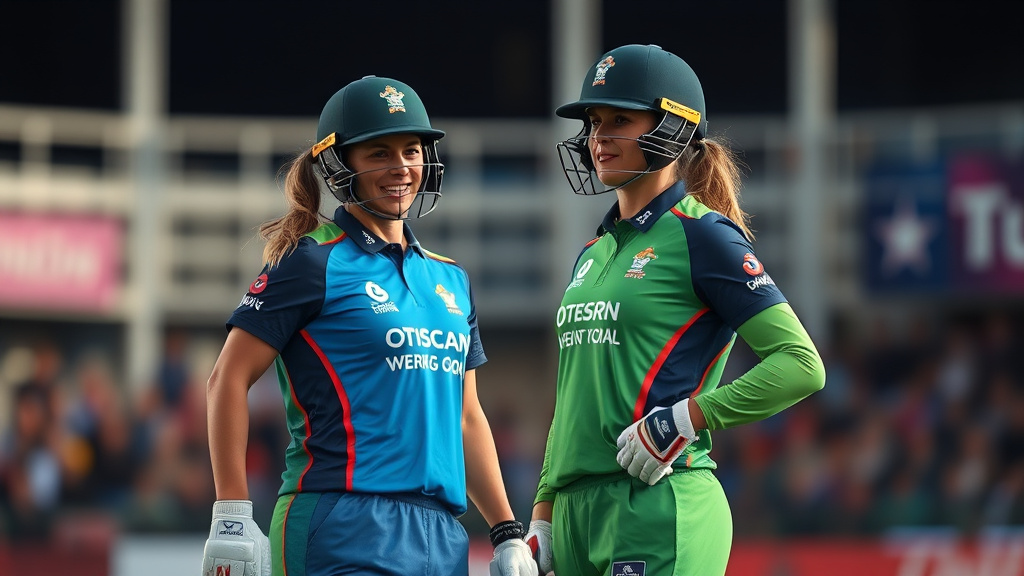
Women’s cricket is experiencing an exceptional increase in business investment as key investors and broadcasters identify the sport’s explosive growth and international popularity. The newest women’s cricket competition has broken existing records, securing lucrative sponsorship deals and extensive global broadcast rights that competes with traditional sports competitions. This article explores how targeted funding, increasing viewer engagement, and greater media coverage are reshaping women’s cricket into a major athletic industry, while assessing the implications for talent progression, league sustainability, and the trajectory of female sports internationally.
Record-Breaking Sponsorship Milestones
The women’s cricket league has attained unprecedented financial success, securing sponsorship deals that exceed all previous records for women’s sports. Large international companies and local businesses have committed substantial investments, recognizing the league’s enormous audience reach and demographic appeal. These sponsorship agreements represent a significant change in how corporate entities value women’s athletic competitions, showing confidence in the league’s long-term viability and market growth trajectory.
Financial analysts anticipate that current sponsorship revenues will continue escalating as the league expands its international footprint. High-value deals with technology companies, investment firms, and retail companies have produced unprecedented agreements worth hundreds of millions of dollars. This stream of investment directly supports wage structures, facility expansion, and marketing initiatives, establishing a long-term foundation that draws elite performers worldwide and raises competitive excellence significantly.
Worldwide Broadcasting Expansion and Media Rights
The women’s cricket league has transformed media coverage through pioneering television contracts spanning multiple continents. Broadcasting rights have been secured with leading broadcasters across Asia, Europe, North America, and Australia, ensuring unprecedented global visibility. These extensive broadcasting agreements represent a notable transformation in how women’s sports are regarded by conventional media outlets. The expanded television footprint has made it possible for millions of fresh audiences to access matches in real-time, fundamentally transforming the league’s market presence and profitability on the worldwide scale.
Media Collaborations Around the World
Leading global broadcasters have committed substantial resources to televising women’s cricket matches, identifying the demographic appeal and commercial opportunities. Premium networks in Europe and North America have allocated prime-time slots for competitive fixtures, raising the sport’s standing among broader audiences. These agreements include full-service packages featuring live transmission, condensed highlights, and special behind-the-scenes content. The deliberate scheduling of matches during high-traffic periods has markedly improved audience involvement and established strong commercial viability for broadcasters looking for different sporting options.
Asian broadcasters have emerged as particularly active investors in women’s cricket broadcasting rights, capitalizing on the sport’s strong cultural significance and devoted audiences across India, Pakistan, and Southeast Asia. Regional networks have negotiated exclusive broadcasting agreements, creating region-specific commentary and programming tailored to local viewers. These collaborations have generated substantial revenue streams while ensuring culturally appropriate programming that resonates with local viewers. The competitive bidding environment among Asian networks has pushed broadcasting rights valuations to historic highs, establishing women’s cricket as a high-value sporting asset.
Digital Platforms and Audience Expansion
Digital streaming services have emerged as crucial broadcast outlets, enabling immediate viewing to matches and comprehensive cricket content. Agreements between top-tier streaming providers have democratized viewership, allowing fans worldwide to view games regardless of geographic location or fixed broadcast times. Interactive features, diverse camera options, and tailored content preferences have improved the digital experience, attracting younger demographics and tech-savvy audiences. The inclusion of social media content and live interaction features has created vibrant online communities that extend beyond traditional broadcast windows.
Viewer data show rapid expansion across streaming networks, with streaming services reporting unprecedented simultaneous audience figures during flagship competitions. Smartphone availability has emerged as significantly impactful, allowing viewers to watch matches on mobile devices during daily routines and breaks. These streaming services have created comprehensive viewership data regarding audience preferences, consumption habits, and demographic insights that inform future content strategy. The integration of broadcast and online video has established a unified content distribution network that broadens viewership accessibility and participation across all consumer segments.
Effect on Women’s Cricket Advancement
The record sponsorship arrangements and global television coverage are substantially reshaping women’s cricket development pathways. Enhanced financial investment enable cricket boards to allocate funds toward grassroots programs, training facilities, and coaching support systems across multiple countries. Young female cricketers now have opportunities for structured professional programs previously unavailable, creating better-defined career trajectories. This investment results in enhanced player standards, enhanced competitive standards, and increased chances for aspiring athletes to pursue cricket professionally and sustainably.
Greater media presence plays a key function in motivating the next generation of women cricketers worldwide. Televised matches feature elite athletes as examples to follow, demonstrating that women’s cricket sport offers legitimate career opportunities and recognition. Higher viewership promotes participation at community level, particularly among young girls who now see relatable representations of achievement in cricket. This prominence creates a virtuous cycle, where greater exposure drives participation, which subsequently improves the talent development and competitive quality of future leagues.
Sustained sustainability of women’s cricket depends on sustained financial support in player development and competitive facilities and systems. Sponsorship revenues enable leagues to deliver competitive salaries, securing top talent and retaining seasoned professionals. Enhanced media agreements guarantee regular broadcast exposure, preserving public interest and involvement. These integrated components establish an ecosystem where women’s cricket transforms into financially sustainable and professionally attractive, securing the sport’s upward momentum and cementing women’s cricket as a permanent fixture in worldwide sports and entertainment.
