
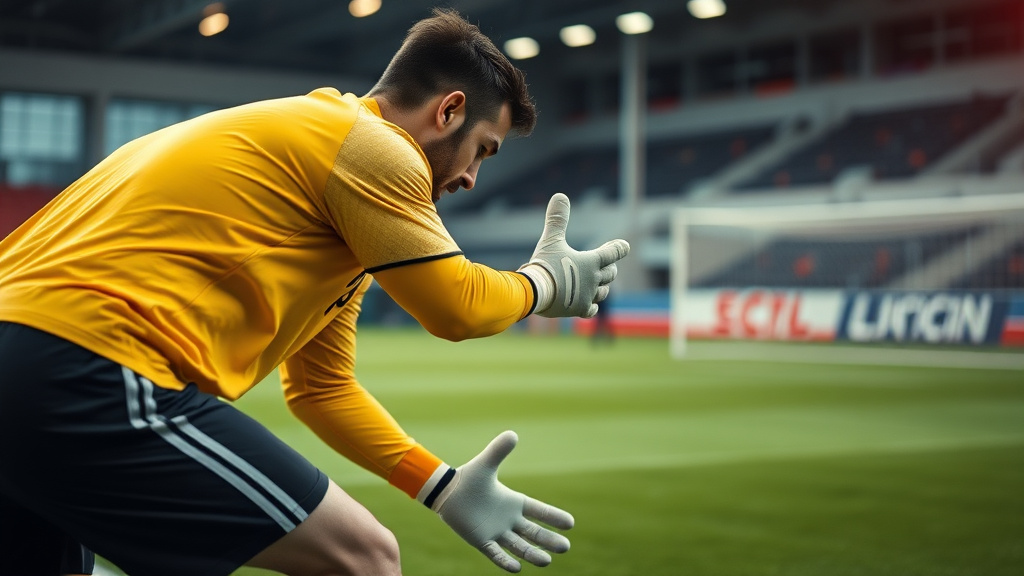
In the past several years, the development of goalkeeper training has fundamentally transformed defensive excellence across elite football leagues worldwide. Detailed biomechanical assessment, targeted agility exercises, and mental preparation have displaced outdated techniques, producing a emerging class of shot-stoppers with extraordinary reflexive abilities and tactical awareness. This article examines the innovative coaching methods reshaping goalkeeper play, investigating how top clubs utilize forward-thinking strategies to keeper training and the tangible effects these methods have on overall team performance and defensive standards.
Modern Training Methods Revolutionize Keeper Training
The integration of advanced technological approaches has fundamentally reshaped goalkeeper preparation at the elite tiers of professional football. Video analysis systems, movement tracking systems, and real-time biometric monitoring now form the cornerstone of professional development initiatives. Coaches utilize advanced software to dissect opponent shooting patterns, predict ball movement, and refine tactical positioning. These innovations enable goalkeepers to practice with exceptional accuracy, targeting specific skill gaps while reinforcing technical strengths. The transition away from standard exercises to customized, analytics-based training has substantially increased skill acquisition and performance consistency across major leagues.
Psychological resilience training has become an equally critical component of modern goalkeeper development. Mental conditioning programs, stress inoculation techniques, and confidence-building protocols now get the same attention alongside physical preparation. Contemporary coaching staff recognize that elite goalkeeping demands exceptional emotional intelligence and composure under extreme pressure. Specialized sports psychologists collaborate with technical coaches to develop mental frameworks enabling goalkeepers to maintain peak performance during crucial matches. This comprehensive strategy combines biomechanical optimization with psychological fortitude, producing goalkeepers capable of achieving sustained excellence and raising defensive levels throughout professional football.
Cutting-Edge Technology Implementation in Goalkeeper Development
Modern goalkeeper training has been revolutionized through cutting-edge technological systems that offer unprecedented insights into performance indicators. Video analysis software, movement capture technology, and real-time biometric monitoring allow coaches to recognize fine-tuned movements and reaction sequences with high precision. These systems let goalkeepers to review their placement decisions, distribution, and decision-making step-by-step, speeding up the learning process significantly. Immersive reality training now replicate intense match situations, preparing keepers both mentally and physically for diverse attacking patterns they’ll face during competitive games.
The merger of AI and machine learning has significantly enhanced goalkeeper development to greater heights. Predictive algorithms examine opponent shot patterns, enabling goalkeepers foresee ball paths and positioning needs ahead of shots. Wearable technology measures fatigue levels, workload distribution, and injury risk factors, allowing personalized recovery protocols. These data-informed strategies have changed subjective coaching into quantifiable performance improvement paths. Organizations investing in such technological infrastructure report quantifiable improvements in save rates, distribution precision, and squad defensive strength across their team.
Cognitive Conditioning and Emotional Resilience Initiatives
Modern goalkeeper training goes well beyond physical preparation, encompassing comprehensive psychological conditioning programs that develop mental resilience. Elite clubs now utilize sports psychologists who work exclusively with goalkeepers, designing personalized strategies to handle pressure, anxiety, and performance expectations. These programs feature visualization techniques, mindfulness training, and cognitive behavioral approaches that allow goalkeepers to maintain focus during high-stakes matches. By confronting the psychological demands of the position, clubs have significantly reduced error rates and improved consistency among their shot-stoppers, acknowledging that mental strength directly correlates with on-field performance and career longevity.
Resilience training has become central to goalkeeper progression, preparing athletes for inevitable mistakes and challenges specific to the position. Dedicated training systems teach goalkeepers to bounce back after goals allowed, maintain confidence despite mistakes, and adapt strategically to evolving game situations. Sports psychologists use scenario-based training where goalkeepers visualize challenging situations, building self-control and decision-making skills under stress. This psychological training transforms how goalkeepers process failure, turning negative experiences into developmental moments rather than confidence-damaging events. The result is a generation of psychologically stronger, more adaptable goalkeepers able to maintaining performance at the highest professional levels.
Leadership and communication development programs have transformed goalkeeper roles within defensive structures. Modern training highlights how goalkeepers structure defensive formations, communicate tactical adjustments, and offer mental support to teammates. These programs improve emotional awareness, conflict resolution, and team dynamics awareness, positioning goalkeepers as defensive leaders rather than isolated specialists. By cultivating these psychological and interpersonal skills alongside technical abilities, elite teams have raised goalkeeper contributions to total team success, creating more cohesive defensive units that respond effectively to match situations.
